Move your site without losing the rankings you already paid for
Most sites that lose traffic after a relaunch did not have to. It usually happens for three reasons. Nobody was responsible for the redirects. The new site was never properly checked before launch. And the drop was spotted weeks after it started. We take responsibility for all three, from planning through to recovery. Part of our wider SEO services.
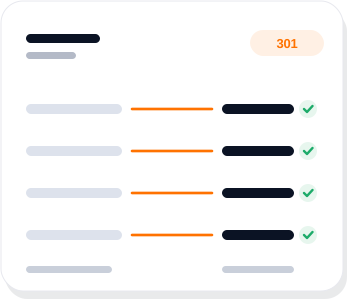
If the URLs change, it is a migration
Most people think a migration means changing hosting. Google does not care where your site is hosted. It cares whether every page still works at the address it knows. That is why a redesign carries the same risk as changing your domain name.
A redesign
Same domain name, but new page designs and new web addresses. This is the most common way to lose rankings while believing nothing important has changed.
A replatform
Moving from WordPress to Shopify, or from Magento to something else. Each platform creates web addresses its own way, so almost every page address changes.
A domain change
Rebrands and mergers. Everything the old domain earned has to be passed across on purpose, or it is lost.
HTTP to HTTPS
This is still a migration. It still needs a full redirect plan, and it still breaks things when it is rushed.
Subdomain to subfolder
Moving a blog or shop onto your main domain, so its reputation finally counts towards the main site.
A consolidation
Two or more sites becoming one. That means deciding which pages to keep, which to combine and which to remove.
The migration checklist we actually run
There are four stages. Most agencies only turn up for the launch itself. That is why problems are created during the build and only noticed weeks later.
Before
Record how everything performs while the old site is still live
- A full scan and a list of every page address on the live site
- Current rankings, traffic and enquiries recorded as a benchmark
- Your most visited and most linked to pages identified
- A list of your backlinks, so no valuable page gets cut off
Staging
Compare the new site against the old one
- The new site scanned and compared against the old one, page by page
- Titles, meta, headings, schema and canonicals checked for parity
- Menus and internal links rebuilt properly, not just copied across
- Every old address mapped to a new one and tested, using permanent redirects
Launch day
Be there while it goes live
- Checks that nothing is accidentally blocking Google, done the moment it goes live
- Old and new sitemaps submitted to Google
- Redirects tested on every type of page
- An agreed plan to undo the launch, decided before anyone presses go
After
Keep watching for weeks, not hours
- A fresh scan compared against the benchmark we took
- Google told about the new domain, where the domain has changed
- Indexing, broken pages and server logs monitored
- Rankings and traffic watched until they settle
A dip is normal. A cliff is not.
Expect a small dip while Google re-reads your site. That is normal and it recovers. What you should not accept is a drop that never recovers. One of four things is almost always behind it. Missing redirects. A test site that slipped into Google. Pages quietly deleted during the redesign. Or nobody checking during the two weeks that matter.
- Redirects pointing at other redirects, which weakens what they pass on
- A test version of the site left visible to Google, competing with the real one
- Content removed during the redesign that was holding the rankings
- A Friday launch with nobody checking anything until Monday
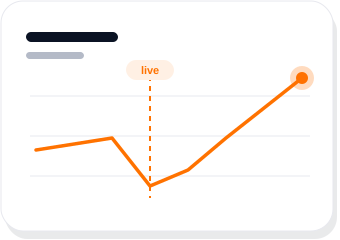
Parity checked before anyone presses go
The most useful thing in a migration is a straightforward comparison. We scan the old site, scan the new one, and list every difference between them. Each difference should be a deliberate decision, not a surprise found later. We do this before launch and again an hour afterwards.
- Every page address accounted for, either redirected or deliberately removed
- Page titles, descriptions, headings and markup compared one by one
- Duplicate and language tags checked rather than assumed
- Analytics and goal tracking moved across, so your reporting keeps working
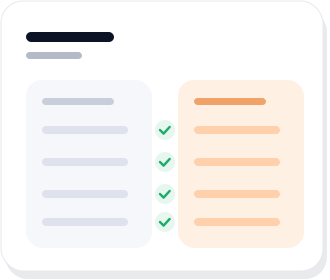
What a migration looks like when it is run properly
Figures from live work. We do not publish client names.
- A 1,400 page platform move with no measurable drop after week two
- Traffic higher than before the launch within six weeks
- A domain change that kept every top three ranking
Rated 4.9 out of 5 across more than 2,800 client reviews
We work with clients directly and on monthly retainers. We also work through Fiverr and Upwork, where we hold Top Rated and Top Rated Plus status. Here is what a few recent website and SEO clients said.


- Verified on Upwork
- Verified on Upwork
- Verified on Fiverr
- Verified on Upwork
- Direct client
- Verified on Upwork
- Verified on Fiverr
- Verified on Upwork
Migration questions we get asked most
Starting with what an SEO migration actually is, and what it costs.
What is an SEO migration?
It means moving a website, or changing its page addresses, without losing the Google rankings and traffic the old pages had. The work covers four things. Planning the new address structure. Mapping every old address to a new one. Checking the new site matches the old one on everything Google reads. Then watching the results until they settle. Building the new site is a development job. The migration is making sure that build does not cost you traffic.
How much do SEO migration services cost?
It depends mostly on how many pages you have and how tidy the current site is. A 200 page website moving to a new design is a small job. A 40,000 page shop with fifteen years of old redirects is not. We scan your current site, then quote a fixed price for the migration. That price is separate from any ongoing SEO work.
How long does a site migration take?
On a normal site, allow three to six weeks of preparation before launch. Most of that time goes on the redirect plan and checking the new site. Then allow four to eight weeks of monitoring afterwards. The preparation is the part people try to rush, and it is the part that decides whether the launch works.
Will we lose traffic when we launch?
Usually a little, and only for a short time. Google has to re-read and re-assess every page that changed, which takes days or weeks depending on the size of your site. A drop of ten to twenty percent for two or three weeks is normal and it recovers. Losing half your traffic, and still missing it a month later, is not normal. That is a fault, and it is nearly always the redirects.
Can you fix a migration that has already gone wrong?
Yes, and it is a large part of what we do. We scan the site as it is now, then rebuild the list of old page addresses using web archives, Google Search Console and backlink data. From that we build the redirect plan that should have existed. Recovery takes longer than prevention and rarely returns every position, but most of the traffic usually comes back.
Do you work with our developers or replace them?
We work alongside them. They build the site. We handle everything that decides whether it keeps its rankings. They get the redirect plan and a clear list of fixes they can work through. If you would rather we set up the redirects ourselves, we can do that where we have access.
We are moving to Shopify or a headless build. Does that change things?
The approach is the same, but the problems differ. Shopify forces its own address structure on products and collections, which rarely matches what you had, so the redirect plan takes longer. With headless builds the risk moves to how pages load. A page can look complete to you and be empty to Google. We tell you which of these applies before you commit to a platform.
Planning a relaunch, or already lost traffic after one? Send us the domain and we will tell you what the risk looks like.
Tell us what you need and we will show you how we would do it
Share a few details about your business and what you want to fix or build. It could be a new website, a WordPress site that keeps breaking, SEO that has stalled, or a sales process that needs automating. We will come back with honest advice, even if that means a smaller job than you expected.
A reply within one business day
A real person on the team reads your message and replies, usually the same day.
A free review of your current setup
We look at your website, rankings or systems before we talk, so the call is useful.
A written proposal
You get a clear scope, timeline and price in writing before any work starts.
Prefer to talk first?